Nourish Your Body: A Guide to Healthy Eating
Welcome to Vitality Hub's comprehensive guide to healthy eating! Located in the vibrant city of Toronto, we understand the challenges of maintaining a balanced diet amidst a busy urban lifestyle. Our goal is to provide you with practical tips and resources to make healthy eating accessible and enjoyable. Whether you're looking to improve your energy levels, manage your weight, or simply enhance your overall wellbeing, this guide will provide you with the foundational knowledge you need to succeed.
Understanding a Balanced Diet
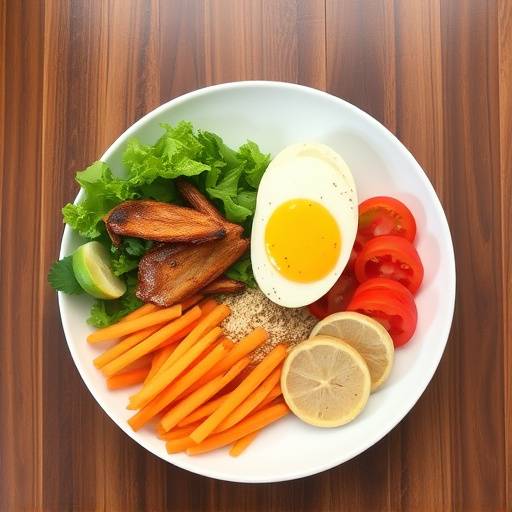
A balanced diet is the cornerstone of good health. It means consuming a variety of foods from all food groups in the right proportions to meet your nutritional needs. A balanced diet provides the energy, protein, vitamins, minerals, and fiber your body needs to function optimally. It also helps to prevent chronic diseases such as heart disease, type 2 diabetes, and certain types of cancer. Think of your plate as a canvas – filled with colorful and nutritious ingredients that contribute to your overall health.
Key Components of a Balanced Diet:
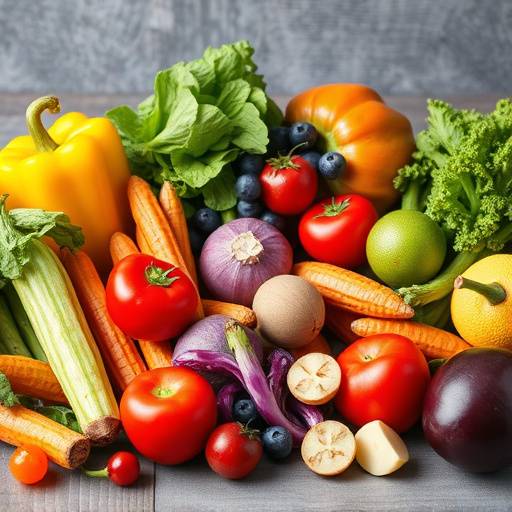
- Fruits and Vegetables: Aim for at least five servings a day. These are packed with vitamins, minerals, antioxidants, and fiber.
- Whole Grains: Choose whole grains over refined grains whenever possible. Examples include brown rice, quinoa, oats, and whole wheat bread.
- Lean Protein: Include sources of lean protein such as chicken, fish, beans, lentils, tofu, and low-fat dairy products.
- Healthy Fats: Incorporate sources of healthy fats such as avocados, nuts, seeds, and olive oil.
- Dairy or Dairy Alternatives: Opt for low-fat dairy products or fortified dairy alternatives like almond milk or soy milk for calcium and vitamin D.
Macronutrients: The Building Blocks
Macronutrients are nutrients that your body needs in large amounts. They provide energy in the form of calories. The three main macronutrients are carbohydrates, proteins, and fats. Understanding their roles and incorporating them into your diet in the right proportions is crucial for maintaining good health.
Carbohydrates:
Carbohydrates are the body's primary source of energy. They are broken down into glucose, which fuels your cells, tissues, and organs. Choose complex carbohydrates over simple carbohydrates whenever possible. Complex carbohydrates are found in whole grains, fruits, vegetables, and legumes, while simple carbohydrates are found in sugary drinks, processed foods, and refined grains.
Proteins:
Proteins are essential for building and repairing tissues. They are also involved in a variety of other bodily functions, including enzyme production and hormone regulation. Good sources of protein include lean meats, poultry, fish, eggs, beans, lentils, tofu, and nuts.
Fats:
Fats are important for hormone production, nutrient absorption, and cell function. They also provide insulation and protect your organs. Choose healthy fats such as unsaturated fats over unhealthy fats such as saturated and trans fats. Sources of healthy fats include avocados, nuts, seeds, olive oil, and fatty fish.
| Macronutrient | Function | Food Sources |
|---|---|---|
| Carbohydrates | Energy source | Whole grains, fruits, vegetables, legumes |
| Proteins | Building and repairing tissues | Lean meats, poultry, fish, eggs, beans, lentils |
| Fats | Hormone production, nutrient absorption | Avocados, nuts, seeds, olive oil, fatty fish |
Micronutrients: Essential Vitamins and Minerals
Micronutrients are vitamins and minerals that your body needs in small amounts. They are essential for a variety of bodily functions, including immune function, nerve function, and bone health. A deficiency in micronutrients can lead to a variety of health problems.
Key Vitamins and Minerals:
- Vitamin A: Important for vision, immune function, and cell growth. Found in leafy green vegetables, orange and yellow fruits and vegetables, and dairy products.
- Vitamin C: An antioxidant that helps protect against cell damage. Found in citrus fruits, berries, and vegetables.
- Vitamin D: Important for bone health and immune function. Found in fatty fish, eggs, and fortified foods.
- Calcium: Important for bone health, muscle function, and nerve function. Found in dairy products, leafy green vegetables, and fortified foods.
- Iron: Important for carrying oxygen in the blood. Found in red meat, poultry, fish, beans, and lentils.
- Potassium: Important for blood pressure regulation and muscle function. Found in bananas, potatoes, and leafy green vegetables.
Healthy Recipes to Get You Started
Ready to put your newfound knowledge into practice? Here are a few simple and delicious recipes to get you started on your healthy eating journey. These recipes are designed to be easy to prepare and packed with nutrients. Remember to adjust portion sizes based on your individual needs.
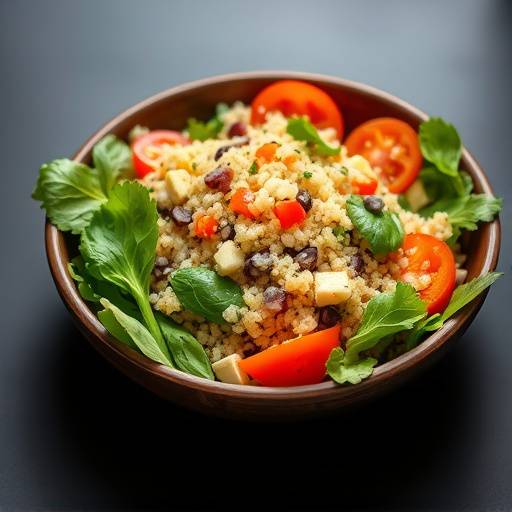
Quinoa Salad with Roasted Vegetables
A hearty and flavorful salad packed with protein and fiber.
Ingredients:
- 1 cup quinoa
- 2 cups water
- 1 bell pepper (any color), chopped
- 1 zucchini, chopped
- 1 red onion, chopped
- 1 cup cherry tomatoes, halved
- 2 tablespoons olive oil
- Salt and pepper to taste
- Lemon juice to taste
Instructions:
- Rinse quinoa and cook in water according to package directions.
- Preheat oven to 400°F (200°C).
- Toss bell pepper, zucchini, and red onion with olive oil, salt, and pepper.
- Roast vegetables for 20-25 minutes, or until tender.
- Combine cooked quinoa, roasted vegetables, and cherry tomatoes in a bowl.
- Drizzle with lemon juice and serve.
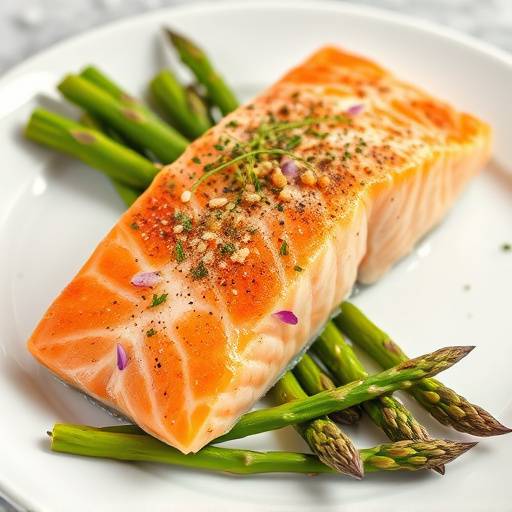
Baked Salmon with Asparagus
A simple and healthy meal that's rich in omega-3 fatty acids.
Ingredients:
- 2 salmon fillets
- 1 bunch asparagus, trimmed
- 1 tablespoon olive oil
- Salt and pepper to taste
- Lemon slices
Instructions:
- Preheat oven to 400°F (200°C).
- Toss asparagus with olive oil, salt, and pepper.
- Place salmon fillets and asparagus on a baking sheet.
- Bake for 12-15 minutes, or until salmon is cooked through.
- Garnish with lemon slices and serve.
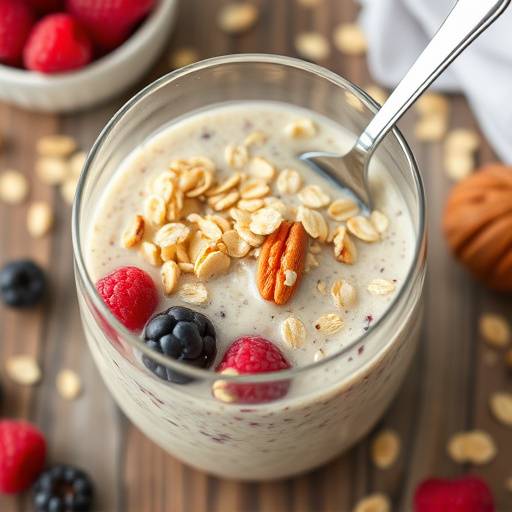
Overnight Oats
A quick and easy breakfast that you can prepare the night before.
Ingredients:
- 1/2 cup rolled oats
- 1 cup milk (dairy or non-dairy)
- 1 tablespoon chia seeds
- 1/2 teaspoon vanilla extract
- 1/4 cup berries (fresh or frozen)
- 1 tablespoon nuts or seeds
Instructions:
- Combine rolled oats, milk, chia seeds, and vanilla extract in a jar or container.
- Stir well and refrigerate overnight.
- In the morning, top with berries and nuts or seeds.
- Enjoy!
Tips for Sustainable Healthy Eating
Making healthy eating a sustainable part of your lifestyle requires more than just knowing what to eat. Here are some tips to help you develop healthy eating habits that last:
- Plan Your Meals: Take some time each week to plan your meals and snacks. This will help you make healthier choices and avoid impulsive eating.
- Grocery Shop Strategically: Make a shopping list based on your meal plan and stick to it. Avoid buying processed foods and sugary drinks.
- Cook at Home: Cooking at home allows you to control the ingredients and portion sizes of your meals.
- Read Food Labels: Pay attention to serving sizes, calories, and nutrient content when reading food labels.
- Stay Hydrated: Drink plenty of water throughout the day.
- Practice Mindful Eating: Pay attention to your hunger and fullness cues. Eat slowly and savor each bite.
- Don't Deprive Yourself: Allow yourself to enjoy your favorite foods in moderation.
- Seek Support: Connect with friends, family, or a registered dietitian for support and encouragement. The Vitality Hub team is always available to provide guidance and answer any questions you may have. Feel free to reach out to us at [email protected] or call us at 416-555-WELL (9355).
At Vitality Hub, we believe that healthy eating is a journey, not a destination. By making small, sustainable changes to your diet, you can significantly improve your health and wellbeing. We are located at 123 Health Street, Toronto, ON M5V 3A1. We are committed to providing the resources and support you need to succeed. Start your journey today!